
How to Replace a Two-Prong Plug safely using the right tools and wiring steps. A simple guide to help you change an old two-prong plug correctly.”
Hello there! I’m so glad you found your way here. If you’re like me, you probably have a favorite lamp, a vintage appliance, or maybe just a well-loved extension cord that has seen better days. The plug is cracked, the prongs are wobbly, or perhaps the cord has simply pulled out of the housing. Whatever the reason, you’ve got a piece of equipment with a faulty two-prong plug, and you’re ready to fix it yourself.
I’ve been working on home electrical projects for years, and I can tell you that replacing a plug is one of the most satisfying and straightforward repairs you can do. It’s a fantastic way to save money, extend the life of your appliances, and, most importantly, ensure your home is safe. However, because we are dealing with electricity—the invisible force that powers our lives—it’s absolutely crucial that we approach this task with respect, knowledge, and meticulous attention to detail. This isn’t just about making a connection; it’s about making a safe connection.
This guide is designed to be your comprehensive, expert-level resource. We’re going far beyond the basic instructions you might find on the back of a replacement plug package. We’ll dive deep into the why behind the steps, the history of two-prong systems in the US, the critical safety protocols you must follow, and even when it’s time to put down the tools and call a professional. Whether you live in a charming pre-war brownstone in the Northeast or a mid-century ranch home in the Southwest, the principles of safely wiring a two-prong plug are the same, and I’m here to walk you through every single one of them.
Let’s get started and turn that frayed, dangerous plug into a safe, functional part of your home again.
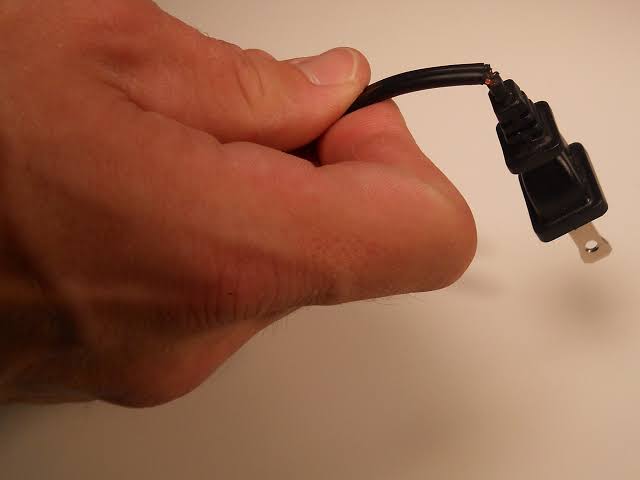
How to Replace a Two-Prong Plug
Before we even think about cutting a cord or stripping a wire, we need to establish a solid foundation of knowledge. Understanding the electrical system you’re working with is the first and most critical step in ensuring your safety and the success of your repair. In the United States, our residential electrical system is built on a few core concepts, and the two-prong plug is a historical artifact of that system.
What Exactly is a Two-Prong Plug and How Does it Differ from a Three-Prong?
When you look at a standard electrical plug, you’ll notice either two or three metal prongs. The two-prong plug, often called an ungrounded plug, is the older design. It consists of two flat metal blades: one is slightly wider than the other (in a polarized plug), or both are the same width (in a non-polarized plug).
The two prongs serve two distinct purposes:
- The Hot (Live) Prong: This prong connects to the “hot” wire, which carries the electrical current from the outlet to the appliance. In a polarized plug, this is the narrower blade.
- The Neutral Prong: This prong connects to the “neutral” wire, which completes the circuit by carrying the current back to the electrical panel. This is the wider blade in a polarized plug.
Now, let’s look at the three-prong plug. The key difference is the addition of a third, round or U-shaped prong. This is the grounding prong.
The Grounding Prong: This is a dedicated safety feature. It connects to the ground wire inside your home’s wiring system, which is ultimately connected to the earth. In the event of a fault—say, a loose hot wire touches the metal casing of an appliance—the ground wire provides a safe, low-resistance path for the excess current to flow, tripping the circuit breaker and preventing you from getting a severe, potentially fatal, shock.
| Feature | Two-Prong Plug | Three-Prong Plug |
|---|---|---|
| Prongs | Two (Hot and Neutral) | Three (Hot, Neutral, and Ground) |
| Safety Feature | None (Relies on double insulation) | Dedicated Grounding Path |
| Polarization | May be polarized (one wider prong) or non-polarized | Always polarized (due to the ground pin) |
| Typical Use | Older appliances, double-insulated devices, low-power items | Modern appliances, metal-cased tools, high-power items |
The absence of that dedicated ground path is why we must be extra careful when working with two-prong systems. They rely on the appliance having double insulation to protect the user, meaning there are two layers of insulating material between the live parts and the user-accessible parts.
The Critical Role of Polarization and Double Insulation
Let’s delve deeper into the concept of polarization. When a plug is polarized, it means it can only be inserted into the outlet one way. This is achieved by making the neutral prong (the one connected to the neutral wire) wider than the hot prong. This seemingly small detail is a huge safety feature.
In any appliance with a switch, the internal wiring is designed so that the switch interrupts the hot wire. When the switch is off, the appliance is completely de-energized. If you were to reverse the polarity—by using a non-polarized plug or by wiring a polarized plug incorrectly—the switch would end up on the neutral side. This means that even when the switch is “off,” the entire internal circuitry of the appliance, right up to the switch, remains live (hot). If you were to touch an exposed part of the internal wiring while changing a lightbulb, for example, you could receive a severe shock, even though the appliance is technically “off.” This is why I stress that polarization is not optional; it is a critical safety measure that you must maintain when replacing a two-prong plug.
Furthermore, many modern two-prong appliances are marked with a square-within-a-square symbol, which signifies double insulation. This is the manufacturer’s way of compensating for the lack of a grounding pin. Double insulation means that the appliance has two separate layers of insulating material between the user and any live electrical parts. This makes the chance of an electrical fault reaching the outer casing extremely low. When you replace a plug on a double-insulated appliance, you are simply maintaining the integrity of the power delivery system, but you must ensure your replacement plug is of high quality and that the wiring is flawless to avoid compromising that insulation.
The key takeaway here is that while the three-prong plug offers the gold standard of safety via a dedicated ground, the two-prong system relies entirely on the integrity of the polarization and the appliance’s double insulation. Your job as the repair person is to ensure you do not compromise either of these critical safety features.
Why Do So Many Older Homes Across America Still Have Two-Prong Outlets?
If the three-prong system is so much safer, why do we still see two-prong outlets everywhere? The answer is simple: history and cost.
The three-prong grounding system was not mandated in the National Electrical Code (NEC) until the 1960s. Before that, homes were wired with two-wire systems (hot and neutral) that did not include a dedicated ground wire. When these homes were built—think of the millions of homes constructed during the post-WWII housing boom—they were perfectly compliant with the codes of the time.
Today, upgrading an entire home from a two-wire system to a three-wire (grounded) system is a massive undertaking. It involves running new wires through walls, which can be incredibly expensive and disruptive. Because of this, many homeowners, particularly those with historic or older properties, choose to leave the original wiring in place, which means they still have two-prong outlets.
This is why knowing how to properly replace a two-prong plug is still a highly relevant skill across the entire US, from the historic districts of Boston to the classic bungalows of Los Angeles. You are essentially maintaining a piece of electrical history while ensuring its safety in the modern world.
The Historical Context: How the NEC Shaped the Two-Prong Legacy
To truly understand why these plugs persist, we need to look at the evolution of the National Electrical Code (NEC), which is the benchmark for safe electrical installation across the United States. The NEC is updated every three years, and its changes reflect advancements in technology and safety knowledge.
The transition from two-wire to three-wire systems was a gradual process. Before the 1940s, most homes were wired with what is known as Knob-and-Tube (K&T) wiring, which was a two-wire system with no ground. The first major push for grounding came in the 1940s and 1950s, but it wasn’t until the 1960s that the NEC began to mandate grounded receptacles (three-prong outlets) in certain areas of the home, such as kitchens and laundry rooms. The full requirement for grounded receptacles in all new construction didn’t become widespread until the late 1960s and early 1970s.
This means that any home built before 1960, and many built up to 1970, likely started life with only two-prong outlets. Given the sheer volume of housing stock in the US—millions of homes in established cities like Chicago, Philadelphia, and San Francisco—the cost and logistical challenge of retrofitting a ground wire to every outlet is astronomical. Homeowners often choose to live with the existing system, which is why the skill of safely maintaining two-prong appliances remains so vital.
Furthermore, the NEC allows for certain exceptions. For instance, in an ungrounded system, it is permissible to replace a two-prong receptacle with a Ground Fault Circuit Interrupter (GFCI) receptacle, which provides shock protection without a ground wire. This is a key safety loophole that allows older homes to meet modern safety standards without the costly process of rewiring. Understanding this history helps us appreciate that we are not just fixing a plug; we are navigating a complex, decades-long safety standard evolution.
The Essential Tools I Always Keep Handy for This Simple Electrical Project.
One of the best things about this repair is that you don’t need a massive toolbox. In fact, I can usually complete this job with just five core items. Having the right tools not only makes the job easier but also significantly reduces the risk of error and injury.
- Non-Contact Voltage Tester (NCVT): This is non-negotiable. It’s a pen-like device that lights up and/or beeps when it detects AC voltage. You use it to confirm that the power is truly off before you touch anything.
- Wire Strippers/Cutters: You need a tool that can cleanly cut the cord and strip the insulation off the individual wires without nicking the copper strands underneath. A good quality, multi-gauge stripper is essential.
- Small Flat-Head Screwdriver: Most replacement plugs use small screw terminals. A precision flat-head screwdriver that fits the screw heads perfectly will prevent stripping the screws.
- Replacement Plug: Obviously! Make sure you buy a high-quality, polarized two-prong replacement plug. Look for plugs rated for the correct amperage (usually 15A) and vo5. Safety Glasses: Copper wires can snap, and small metal parts can fly. Protect your eyes.
| Tool | Purpose | Why It’s Essential |
|---|---|---|
| NCVT | Verifying power is off | Safety: Prevents electrocution. |
| Wire Strippers | Cutting and stripping insulation | Quality: Ensures clean, undamaged wire ends for a solid connection. |
| Screwdriver | Securing terminal screws | Reliability: Prevents stripped screws and loose connections. |
| Safety Glasses | Eye protection | Protection: Guards against flying debris or snapping wires. |
Deep Dive into Tool Selection: Choosing Quality for Safety and Precision
While the list above covers the essentials, the quality and type of tool you choose can make a huge difference in the outcome and safety of your repair. I always recommend investing in quality tools, as they last longer and perform better, reducing the risk of error.
- The Non-Contact Voltage Tester (NCVT): Look for a model with a high sensitivity range and an audible alarm. Some advanced models also have a flashlight feature, which is incredibly useful when working in dark areas like the back of a closet or under a desk. Remember, the NCVT is your life insurance policy for this job.
- Wire Strippers/Cutters: Avoid the cheap, stamped-metal strippers. Look for a pair of self-adjusting or multi-gauge strippers with sharp, precision-ground cutting blades. A clean cut and a clean strip are paramount. A dull cutter can crush the copper strands, weakening the wire, and an imprecise stripper can nick the copper, creating a hot spot and a potential fire hazard. For appliance cords, you will typically be working with 18 AWG (American Wire Gauge) or 16 AWG wire, so ensure your tool has the correct gauge settings.
- Screwdriver: Use a screwdriver with an insulated handle. This provides an extra layer of protection. For the small terminal screws on a plug, a jeweler’s or precision flat-head screwdriver is often the best choice. The tip must fit the screw slot perfectly to avoid cam-out (slipping out) and stripping the screw head, which can ruin the plug.
- Replacement Plug: Don’t just grab the cheapest plug. Look for plugs that are UL Listed (Underwriters Laboratories) or ETL Listed (Intertek). These marks mean the product has been tested and meets recognized safety standards. A high-quality plug will have robust plastic housing, solid brass and silver terminals, and a strong, reliable strain relief mechanism.
By using the right tools, you elevate your repair from a risky gamble to a professional-grade fix.
Basic Electrical Concepts: Understanding the “Hot” (Black) and “Neutral” (White) Wires.rd two-wire cord, you will find two insulated conductors (wires) inside the outer jacket. To wire a plug correctly, you must know which is which. This is where polarization comes into play.
- The Hot Wire (Usually Black or Red): This wire carries the electrical potential (voltage) from the source. It is the dangerous wire. In a cord, the hot wire is typically identified by being smooth or having a ribbed texture on the insulation, or sometimes by a colored tracer line. When wiring a plug, the hot wire always connects to the narrower prong and the brass-colored screw terminal.
- The Neutral Wire (Usually White or Gray): This wire is meant to be at or near ground potential and completes the circuit, returning the current to the source. It is the safer wire, but never assume it is safe. In a cord, the neutral wire is typically identified by a ribbed texture on the insulation or sometimes by a white or gray color. When wiring a plug, the neutral wire always connects to the wider prong and the silver-colored screw terminal.
Why Polarization Matters: In a polarized system, the appliance’s internal switch is wired only to the hot wire. If you wire the plug incorrectly (reverse the hot and neutral), the switch will be on the neutral side, meaning the appliance is always live, even when the switch is off. This creates a serious shock hazard. Always connect hot to brass and neutral to silver.
The Importance of AWG and Voltage Standards in Your Repair
While we are focusing on the plug, we must also briefly touch upon the wire itself. The size of the wire is measured by its American Wire Gauge (AWG). The smaller the AWG number, the thicker the wire, and the more current it can safely carry.
- 18 AWG: Common for light-duty appliances like lamps, clocks, and radios.
- 16 AWG: Used for medium-duty appliances and light-duty extension cords.
- 14 AWG: Used for heavy-duty extension cords and higher-wattage devices.
When you replace a plug, you must ensure the new plug is rated for the current that the wire gauge can handle. Most replacement plugs are rated for 15 Amps (A) at 125 Volts (V), which is the standard residential voltage in the US. If you are replacing a plug on a cord that is 18 AWG, the 15A plug is fine. However, if you were to put a 15A plug on a cord for a very high-draw appliance (which should be three-prong anyway), you would be creating a fire hazard. Always check the appliance’s rating plate (usually on the bottom) to ensure the current draw (in Amps or Watts) is appropriate for the cord and the new plug.
Voltage Standards: The US operates on a nominal 120V AC (Alternating Current) system. All standard two-prong plugs are designed for this voltage. When selecting a replacement plug, ensure it is clearly marked 125V. This confirms it is designed for the US market and not a foreign standard.
The Absolute Importance of Cutting the Power: Your Guide to the Circuit Breaker Box.
I cannot stress this enough: Never work on a live electrical cord or plug. The first step in any electrical repair is to de-energize the circuit.
Your home’s electrical system is controlled by a main service panel, often called the breaker box or fuse box (in very old homes). This panel contains circuit breakers (or fuses) that protect your home’s wiring from overcurrent.
- Identify the Circuit: If the cord is attached to an appliance, unplug it from the wall. If you are replacing a plug on an extension cord, you don’t need to touch the breaker box, but you must ensure the cord is completely unplugged from the wall and from any appliance.
- For a Wall Outlet Repair (Not the Plug Itself): You would need to locate the breaker that controls the specific outlet. Breakers are usually labeled, but often poorly. If you are unsure, you can turn off the main breaker, but this will shut down power to your entire home. A safer method is to turn off breakers one by one until the outlet is dead, confirming with your NCVT.
- The Lockout/Tagout Principle: Once the breaker is off, it is best practice to place a piece of tape over the switch and write “DO NOT TURN ON – WORKING ON CIRCUIT” to prevent someone else from accidentally flipping it back on while you are working. This is the core of the Lockout/Tagout safety principle.
A Word on Fuses: If you have a very old home with a fuse box, you must unscrew and remove the fuse corresponding to the circuit you are working on. Keep the fuse in your pocket until the work is done.
Implementing the Lockout/Tagout (LOTO) Principle for the Home DIYer
The Lockout/Tagout (LOTO) procedure is a formal safety protocol used in industry to ensure dangerous machines are properly shut off and cannot be started up again prior to the completion of maintenance or repair work. While you are not working in a factory, the principle is just as vital in your home.
- Lockout (The Breaker): The “lockout” part is turning the breaker off. As mentioned, a simple piece of tape over the switch is the minimum. For those who frequently work on their electrical panel, you can purchase inexpensive breaker lockouts—small plastic devices that physically prevent the breaker from being switched back on.
- Tagout (The Warning): The “tagout” part is the warning label. Write clearly on the tape: “DANGER – DO NOT OPERATE – ELECTRICAL WORK IN PROGRESS” and include the date and your name. This prevents a family member from seeing the tripped breaker and flipping it back on, which could have catastrophic consequences.
- Verification (The NCVT): The final step of LOTO is always verification. You must use your NCVT to confirm that the circuit is dead.
By adopting this professional safety mindset, you are treating your home electrical system with the respect it deserves, ensuring that the power remains off until you decide it is safe to restore it. This is the hallmark of an expert-level approach to home maintenance.
Step-by-Step Tutorial: How to Replace an Old Two-Prong Plug
Step-by-Step Tutorial: How to Replace an Old Two-Prong Plug
Now that we have our tools ready and our safety protocols in place, let’s get down to the actual repair. This process is straightforward, but each step requires precision. Follow these instructions exactly, and you’ll have a perfectly wired plug that will last for years.
Step 1: The Critical First Cut: Assessing Damage and Preparing the Cord
This first step is about damage assessment and preparation. Remember, the integrity of the cord is just as important as the integrity of the plug. A new plug on a damaged cord is still a fire hazard.
- The Unplugging Protocol: Even if the plug is visibly broken, you must unplug the cord from the wall outlet. If the cord is attached to an appliance, ensure the appliance is also turned off. For extension cords, unplug both ends—from the wall and from any device it might be powering.
- The Detailed Visual Inspection: Take a moment to run your fingers along the last foot of the cord leading up to the old plug. Look for the following signs of damage:
- Cracks or Brittleness: This indicates the insulation has dried out and is failing. This is common in older rubber or plastic cords.
- Kinks or Sharp Bends: These can break the fine copper strands inside, leading to a high-resistance point that generates heat.
- Discoloration or Melted Spots: A clear sign of previous overheating or arcing.
- Exposed Copper: Any visible copper outside of the outer jacket is an immediate red flag.
- The Clean Cut: Once you have identified the point where the cord is pristine, you need to make a clean, perpendicular cut. Use sharp wire cutters or the cutting edge of your wire strippers. The goal is a perfectly straight cut that severs both wires cleanly and evenly. Cut off the old plug and any damaged cord section. Do not try to salvage the old plug; it is a safety risk.
- Measuring for the New Plug: Most replacement plugs require about 1.5 to 2 inches of the cord’s outer jacket to be removed to expose the two inner wires. This length allows you enough slack to work with the wires and form the necessary loops, but not so much that the bare wires are exposed outside the plug housing. Measure twice, cut once.
Expert Tip on Cord Length and Damage: If you find yourself cutting off a significant portion of the cord (say, more than a foot), consider whether the appliance will still be functional in its intended location. If the cord becomes too short, the user might be tempted to use another extension cord, which can introduce a new set of hazards. In such cases, the safest advice is to replace the entire cord, not just the plug. This is especially true for cords that are hard-wired into the appliance.
Step 2: The Housing First Rule and the Delicate Art of Cord Splitting
This step is where patience and precision are key. The goal is to expose the inner wires without damaging their individual insulation.
- The “Housing First” Golden Rule: I cannot emphasize this enough: Slide the outer shell (housing) of the new plug onto the cord before you do any further work on the wires. This is the single most forgotten step in plug replacement. Once the wires are stripped and connected to the terminal block, you will not be able to slide the housing over them. Take the housing, thread the cord through it, and push it well out of the way.
- Removing the Outer Jacket (The Sheath): You need to remove the outer jacket (the sheath) of the cord to expose the two inner insulated wires.
- The Score and Bend Technique: Do not use a utility knife to cut straight around the cord, as you will almost certainly cut into the inner insulation. Instead, use the small scoring blade on your wire strippers or a sharp utility knife to lightly score the outer jacket all the way around at the 1.5 to 2-inch mark you determined in Step 1. Then, gently bend the cord back and forth at the score line until the jacket breaks cleanly. You can then peel the jacket off.
- Splitting the Cord: The two inner wires are usually molded together. You need to separate them for about 1.5 inches.
- Use the Splitting Groove: Many quality wire strippers have a small, sharp groove specifically for splitting the cord. Insert the cord into this groove and pull gently.
- The Utility Knife Method (Extreme Caution): If you must use a utility knife, hold the cord firmly and gently run the blade between the two wires, cutting only the thin web of insulation that joins them. Stop cutting about 1/4 inch before the outer jacket. This small section of joined cord will help with the strain relief later.
- Final Identification Check: Re-confirm the identity of your wires. Even if you are confident, a quick check against the table below is a good habit. The Neutral wire is the one that connects to the wider prong on the plug face.
| Wire Type | Insulation Marking | Plug Terminal | Screw Color | Prong Size |
|---|---|---|---|---|
| Neutral | Ribbed, Tracer Line, or White/Gray | Neutral | Silver | Wider |
| Hot | Smooth, Unmarked, or Black/Brown | Hot | Brass | Narrower |
Remember, this identification is the foundation of maintaining polarization, which is your primary safety mechanism in a two-prong system.
Step 3: The Perfect Strip: Ensuring a Low-Resistance, High-Integrity Connection
This step is arguably the most critical for long-term safety. A bad strip leads to a bad connection, and a bad connection leads to heat, which is the number one cause of electrical fires.
- The Precision Strip Length: The goal is to expose just enough bare copper to wrap neatly around the terminal screw, but not so much that any bare copper is visible once the wire is connected and the plug is assembled. For most standard replacement plugs, this length is between 1/2 inch and 5/8 inch. Too short, and you won’t get full contact; too long, and you risk a short circuit between the hot and neutral terminals.
- Selecting the Correct Gauge: Use the gauge markings on your wire strippers. If your cord is 18 AWG, use the 18 AWG hole. If you use a hole that is too large, you won’t strip the insulation. If you use a hole that is too small, the blade will cut into the copper strands.
- The “No Nick” Rule: Place the wire in the correct gauge hole, close the strippers, and pull the insulation straight off. Immediately inspect the exposed copper. If you see a single nick, cut, or missing strand, you must cut the wire and start over. A nicked wire has a reduced cross-sectional area, which increases resistance at that point. This resistance generates heat, which can melt the insulation and lead to a short circuit or fire. This is a non-negotiable safety rule.
- The Stranded Wire Twist: Most appliance cords use stranded wire (many fine copper strands twisted together) for flexibility. Before connecting, gently but firmly twist the exposed copper strands together in a tight, neat bundle. This prevents stray strands from causing a short circuit and ensures maximum contact with the terminal screw. Twist only the bare copper, not the insulation.
Expert Technique: Tinning (Optional but Recommended): For the ultimate connection, you can “tin” the twisted wire ends with a small amount of solder. This fuses the strands into a single, solid conductor, preventing fraying and ensuring a perfect connection. However, this requires a soldering iron and flux, and is generally only necessary for heavy-duty or high-vibration applications. For a standard lamp cord, a tight twist is sufficient.
Step 4: The Clockwise Connection: Securing the Wires to the Terminal Screws
This step is where we make the electrical connection permanent. The technique used here is critical for preventing the wire from loosening over time, which is a major cause of plug failure and fire.
- The Screw Preparation: Use your precision screwdriver to loosen the silver and brass terminal screws. They should be loose enough to easily slip the wire loop underneath the screw head, but not so loose that they fall out.
- Forming the Clockwise Loop: This is a professional technique that ensures a lasting connection.
- Take your stripped and twisted wire end.
- Use needle-nose pliers to bend the wire into a neat, U-shaped hook. The diameter of the hook should match the diameter of the screw shaft.
- Crucially, the hook must be oriented so that when you place it under the screw head, the loop will tighten as you turn the screw clockwise. If you form the loop counter-clockwise, the screw will push the wire out as you tighten it.
- Connecting the Neutral (Silver) Wire:
- Place the neutral wire (ribbed/marked) loop under the silver-colored screw head.
- Ensure the loop is fully under the screw head and that the insulation is very close to the screw head, but not actually under it.
- Tighten the screw firmly. You should feel a solid resistance as the screw clamps down on the copper.
- Connecting the Hot (Brass) Wire:
- Repeat the process for the hot wire (smooth/unmarked) loop under the brass-colored screw head.
- Again, ensure the loop is clockwise and tighten firmly.
- The Tug Test and Final Visual Check:
- Give each wire a gentle but firm tug. The wire should not move at all. If it slips, loosen the screw, re-form the loop, and tighten it again.
- Visually inspect the connection. There should be no stray copper strands visible outside the screw head. All copper should be neatly clamped. Also, ensure the bare copper of the hot wire is not close enough to the bare copper of the neutral wire to cause a short circuit.
Expert Note on Screw Types: Some modern replacement plugs use a clamp-plate or back-wire terminal instead of the traditional screw-and-loop. With these, you simply insert the straight, stripped wire end into a hole and tighten the screw, which clamps a plate down on the wire. If you are using this type, ensure the wire is inserted all the way to the stop and that the screw is tightened to the manufacturer’s specified torque (usually “firmly”).
Step 5: Strain Relief: The Physical Safety Mechanism
The electrical connections are done, but the physical connection—the strain relief—is what prevents your hard work from being undone the first time someone pulls the cord from the wall. Strain relief is a critical safety feature that prevents tension on the cord from being transferred to the delicate wire-to-terminal connections.
- The Internal Wire Tidy: Before closing the plug, gently push the wires into the plug body. They should lie flat and not cross over each other. The goal is to ensure the wires are not pinched when the housing is closed and that no bare copper is touching the metal prongs or the terminal screws of the opposite wire.
- Understanding Strain Relief Types: Replacement plugs typically use one of two main types of strain relief:
- Screw-Clamp Relief: This is the most common. It involves two small screws that tighten a plastic or metal clamp around the outer jacket of the cord.
- Grommet/Grip Relief: This type uses a rubber or plastic grommet that is compressed around the cord when the plug housing is screwed together.
- Securing the Clamp: If you have a screw-clamp type, position the cord so that the clamp grips the outer jacket only, not the inner insulated wires. Tighten the screws firmly and evenly. The cord should be held securely—a gentle tug on the cord should not cause the inner wires to move at all. Do not overtighten, as this can crush the cord and damage the insulation.
- Closing the Housing: Carefully slide the outer housing over the terminal block. If it is a two-piece plug, ensure the pieces align perfectly. Screw the housing together or snap it shut. The fit should be snug, and the cord should exit the plug cleanly, held firmly by the strain relief.
Expert Check: After assembly, try to push the cord into the plug housing. If the cord moves, the strain relief is too loose. If the cord is visibly crushed or deformed, the strain relief is too tight. A proper strain relief is snug and prevents all movement of the cord relative to the plug body.
Step 6: The Final Safety Protocol: Testing and The Crucial Heat Check
You’ve completed the physical work. Now, we move to the final, non-negotiable safety checks. Never skip this step.
- The Triple Visual Inspection:
- Exterior: Is the plug housing fully closed and secure? Is the cord held firmly by the strain relief?
- Prongs: Are the prongs straight, clean, and free of any debris?
- Cord: Is the cord itself free of any new nicks or damage that might have occurred during the repair process?
- The Continuity Test (Advanced Check): If you have a multimeter, you can perform a quick continuity check to ensure the circuit is closed and that you haven’t created a short.
- Set your multimeter to the continuity or resistance setting.
- Touch one probe to the narrow (hot) prong of the new plug.
- Touch the other probe to the end of the hot wire inside the appliance (if accessible) or to the hot terminal of the appliance’s switch. You should get a reading (continuity).
- Repeat the test for the neutral wire (wide prong to neutral terminal).
- Crucially, check for a short: Touch one probe to the hot prong and the other to the neutral prong. The meter should read open circuit (no continuity). If it reads continuity, you have a short circuit, and you must immediately open the plug and fix the wiring.
- The Moment of Truth: Initial Power-Up:
- Plug the appliance or extension cord into a known good wall outlet.
- Listen for any unusual sounds (hissing, popping) or smell (burning plastic). If you hear or smell anything, unplug it immediately.
- Turn on the appliance. If it powers up and functions normally, you have successfully completed the repair.
- The Crucial Heat Test: This is the most important long-term safety check. A loose connection will not always cause a short circuit, but it will cause resistance, and resistance causes heat.
- Let the appliance run for at least 5 to 10 minutes (longer if it’s a high-draw device like a fan or a lamp with a high-wattage bulb).
- Unplug the cord from the wall.
- Immediately and gently touch the plug housing and the cord right where it enters the plug. It should be cool to the touch.
- If the plug is noticeably warm or hot, you have a high-resistance connection. Unplug it immediately and do not use it. You must open the plug and re-tighten the terminal screws. This is a fire hazard that must be corrected before the plug is used again.
By following this rigorous testing protocol, you ensure that your repair is not only functional but also meets the highest standards of electrical safety.
Troubleshooting Common Issues When Wiring Two-Prong Plugs
Troubleshooting Common Issues When Wiring Two-Prong Plugs
Even for experienced DIYers, things don’t always go perfectly. Electrical cords can be tricky, especially older ones. Here are some of the most common problems I’ve encountered when replacing two-prong plugs and my expert solutions for each.
What to Do If the Wires Are Extremely Old, Frayed, or Corroded: The Vintage Cord Dilemma
Working with old wiring, especially the cloth-covered cords found on vintage lamps and appliances, presents unique challenges that demand a higher level of scrutiny. The primary goal here is to determine if the cord is salvageable or if a full replacement is the only safe option.
- The Fraying Problem (Cloth Cords): Vintage cords often have a braided cloth outer jacket that frays over time. This fraying is mostly cosmetic, but it can expose the inner rubber insulation to damage.
- Solution: If the inner rubber insulation is still intact and flexible, you can use a small piece of heat-shrink tubing or a specialized product like liquid electrical tape to seal the frayed end where it enters the plug. For a more authentic look, some restorers use a small amount of clear shellac or super glue to stop the fraying, but this must be done away from the cut end to avoid hardening the wire where it needs to flex.
- The Corrosion Problem (Oxidized Copper): Copper should be bright and shiny. If the copper strands are green, black, or heavily oxidized, it’s a sign of moisture exposure or long-term heat damage.
- The Cut-Back Rule: You must cut the cord back until you find bright, shiny copper. Corroded copper has high resistance, which will cause the plug to overheat and potentially melt or catch fire. If you have to cut back too much cord, you may need to consider replacing the entire cord, not just the plug. Never attempt to clean heavily corroded copper and use it in a connection.
- The Brittle Insulation (The Non-Negotiable Hazard): If the plastic or rubber insulation on the inner wires is brittle, cracked, or flakes off when you bend it, the cord is unsafe and must be replaced entirely. Do not attempt to repair brittle insulation with tape or any other method; the risk of a short circuit is too high. This is a clear sign of insulation failure due to age and heat.
- The “Antique Style” Plug Solution: When dealing with vintage cloth cords, look for replacement plugs specifically designed for them, often called “antique style” plugs. These often have larger openings and internal designs that are more forgiving to the thicker, less flexible insulation of vintage cords. They also often feature a more robust strain relief mechanism suitable for the cloth jacket.
Expert Advice on Full Cord Replacement: If the cord is damaged in multiple places, or if the insulation is brittle, the safest and most professional course of action is to replace the entire cord. This involves opening the appliance itself (lamp base, radio housing, etc.) and wiring the new cord directly to the internal terminals. While more complex, it eliminates all doubt about the cord’s safety.
How to Identify the Hot and Neutral Wires When Colors Are Not Clear or Standard: The Polarity Puzzle
The most common and dangerous mistake in plug replacement is reversing the polarity. If the wires are not clearly marked black/white or if the cord is non-standard (e.g., both wires are gold or brown), you must use a systematic approach to identify the hot and neutral conductors.
- The Ribbed/Smooth Test (The First Line of Defense): This is the standard for most US-made lamp and appliance cords.
- Neutral: Look for a ribbed texture, a raised ridge, or a thin colored tracer line (often white or silver) running along the length of the insulation. This is the neutral wire.
- Hot: The other wire will be smooth or unmarked. This is the hot wire.
- The Multimeter Continuity Test (The Gold Standard): If the cord is still attached to the old plug, this is the most reliable method.
- Preparation: Set your multimeter to the continuity setting (often indicated by a speaker icon or a low resistance setting).
- Step A: Test the Hot: Touch one probe of the multimeter to the narrow prong (the hot prong) of the old plug. Touch the other probe to one of the wires you have cut. When the meter beeps or shows a reading of very low resistance (near 0 ohms), you have found the Hot Wire. This wire must connect to the brass screw on your new plug.
- Step B: Test the Neutral: Repeat the process, touching the first probe to the wide prong (the neutral prong) of the old plug. Touch the second probe to the remaining wire. When the meter beeps, you have found the Neutral Wire. This wire must connect to the silver screw on your new plug.
- The “If All Else Fails” Rule: If the cord is completely detached from the old plug, or if the old plug was non-polarized, you have no reference point. In this scenario, you have two safe options:
- Option A (The Safest): Replace the entire cord with a new, clearly marked, polarized cord. This eliminates all doubt.
- Option B (The Compromise): If the cord is hard-wired into an appliance, you must open the appliance and trace the wires back to the internal switch. The wire connected to the switch is the Hot Wire. The wire that bypasses the switch and goes directly to the internal components is the Neutral Wire. This requires advanced disassembly and should only be attempted if you are comfortable with appliance repair.
Crucial Safety Reminder: If you cannot definitively identify the wires, do not guess. A reversed polarity connection is a serious shock hazard.
Solving the Problem of the New Plug Not Fitting the Cord Gauge Properly: The AWG Mismatch
The physical fit of the cord into the plug housing and, more importantly, the strain relief mechanism, is a common point of failure for DIY plug replacements. The cord’s thickness is defined by its American Wire Gauge (AWG).
- The Cord is Too Thin (The Loose Strain Relief): If the cord is too thin for the plug’s strain relief clamp, the clamp will not grip the cord securely. This means any tension on the cord will be transferred directly to the terminal screws, eventually pulling the wires loose and creating a fire hazard.
- The Electrical Tape Solution: To safely increase the cord’s diameter, use high-quality, UL-listed electrical tape. Wrap a few layers of tape neatly and tightly around the outer jacket of the cord, specifically in the area where the strain relief clamp will grip. Build up the layers gradually until the cord fits snugly into the clamp. Crucially, only wrap the outer jacket; never wrap the inner insulated wires.
- The Heat-Shrink Tubing Alternative: For a more professional and durable solution, you can use a piece of heat-shrink tubing that is slightly larger than the cord’s diameter. Slide it over the cord and shrink it down with a heat gun in the area of the strain relief. This provides a clean, robust, and permanent increase in diameter.
- The Cord is Too Thick (The Forced Fit Hazard): If your cord is too thick, it won’t fit into the plug housing or the strain relief. Do not attempt to force it. Forcing a thick cord into a small plug can crush the insulation, leading to a short circuit.
- The Heavy-Duty Plug Solution: You must buy a heavy-duty replacement plug rated for the correct gauge of your cord. These plugs are physically larger and have more robust strain relief mechanisms designed for thicker cords (e.g., 14 AWG or 12 AWG). Always check the cord’s rating (usually printed on the jacket) and match it to the plug’s specifications.
Always Match the Plug to the Cord: The packaging of the replacement plug will specify the range of cord gauges it is designed to accept (e.g., 18/2 AWG to 16/2 AWG). 2 in the rating (e.g., 18/2) indicates the number of conductors (hot and neutral).
What Does It Mean If the Appliance Doesn’t Work After Installing the New Plug? The Troubleshooting Flowchart
You’ve finished the repair, but the appliance remains stubbornly silent. This is frustrating, but it’s usually a simple fix. We’ll follow a systematic troubleshooting flowchart to diagnose the issue.
| Step | Action | Diagnosis | Solution |
|---|---|---|---|
| 1. Check the Source | Plug a known-good device (e.g., a phone charger) into the wall outlet. | Outlet is Dead: The problem is not the plug. | Check the circuit breaker. If the breaker is tripped, reset it. If it trips again, call an electrician. |
| 2. Check the Plug Wiring (Power Off!) | Unplug the cord and open the plug housing. Visually inspect the connections. | Loose Wires/Strands: Wires have pulled out or stray strands are causing a short. | Re-strip the wire, twist the strands tightly, and re-connect using the clockwise loop method. Ensure no copper is touching the opposite terminal. |
| 3. Check the Strip Length | Look closely at the terminal screws. | Insulation Under Screw: The bare copper is not making contact. | Re-strip the wire to the correct length (5/8 inch) and re-connect. |
| 4. Check Polarity | Confirm Hot (smooth/unmarked) is on Brass and Neutral (ribbed/marked) is on Silver. | Polarity Reversed: The appliance is wired incorrectly. | Swap the wires immediately. This is a safety hazard, not just a functional issue. |
| 5. Check the Appliance | If the plug wiring is perfect, check the appliance itself. | Internal Fuse Blown: The short that damaged the old plug may have blown the internal fuse. | Locate and replace the internal fuse (requires appliance disassembly). If the fuse blows again, the appliance has a serious internal fault. |
| 6. Check the Switch | If the appliance has a switch (like a lamp), test the switch for continuity with a multimeter. | Faulty Switch: The switch is broken and not completing the circuit. | Replace the switch. |
The “Short Circuit” Scenario: If the circuit breaker trips the moment you plug the newly wired cord into the wall, you have a dead short. This means the hot and neutral wires are touching inside the plug. Unplug it immediately, open the housing, and check for stray copper strands or wires crossing over. This is a critical fire hazard that must be fixed before proceeding.
Dealing with Wires That Are Too Short to Comfortably Work With: The Pigtail Solution
When you’ve cut the cord back to remove damage, you might find yourself with very little wire to work with. You need enough slack to form the clockwise loop and secure the wire without strain. If the remaining wire is too short, you have two safe options.
- The Screw-Clamp Plug Advantage: As mentioned, some replacement plugs use a screw-clamp or back-wire terminal. These plugs do not require you to form a loop; you simply insert the straight, stripped wire end into a hole. This saves you the 1/4 inch of wire needed to form the loop, which can be just enough to complete the connection without strain. This is the simplest solution for slightly short wires.
- The Pigtail Splicing Technique (The Advanced Solution): If the cord is significantly too short, you can splice a short length of new cord (a “pigtail”) onto the existing cord. This is an advanced technique with strict safety requirements.
- The Splice Must Be Enclosed: Never leave a splice free-hanging in the middle of a cord. The splice must be contained within a UL-listed junction box or inside the housing of the appliance itself. For extension cords, you must use a specialized, enclosed cord splicing kit that is rated for the cord’s gauge and usage.
- Use Proper Connectors: Use wire nuts (sized correctly for the AWG of the wires) or crimp connectors (requiring a crimping tool) to join the wires. Never simply twist the wires together and wrap them with electrical tape.
- Maintain Polarity: When splicing, you must maintain polarity. Hot must be spliced to Hot, and Neutral must be spliced to Neutral. Use the markings (ribbed/smooth) to ensure you connect the wires correctly.
- The Ultimate Solution: Full Cord Replacement: If the cord is so short that it creates strain, or if the splicing process seems too complicated, the safest and most professional solution is to replace the entire cord. This involves opening the appliance and replacing the cord from the internal terminals all the way to the new plug. This eliminates all splices and ensures the cord is the correct length for safe use.
Safety First: If you are unsure about the splicing process, or if you cannot contain the splice within a safe, enclosed box, do not attempt it. Replace the entire cord or consult a professional.
Safety First: Expert Tips to Avoid Electrical Hazards and Injuries
Safety First: Expert Tips to Avoid Electrical Hazards and Injuries
As I mentioned at the start, working with electricity demands respect. Even a simple plug replacement can turn dangerous if you skip a safety step. My goal is to ensure you complete this project successfully and, most importantly, safely.
Always Wear the Right Personal Protective Equipment (PPE): Gloves and Safety Glasses.
You might think Personal Protective Equipment (PPE) is overkill for a small job like this, but I assure you, it’s not. Electrical work, no matter how minor, carries the risk of arc flash, flying debris, and, most critically, shock.
- Safety Glasses (ANSI Z87.1 Certified): This is your first line of defense. When you cut or strip wires, small pieces of copper or insulation can fly off. If a wire snaps back, it can hit your eye. Always wear glasses certified to the ANSI Z87.1 standard, which guarantees impact resistance. Regular eyeglasses are not sufficient.
- The Importance of Dryness and Insulation: While you should never work on a live circuit, accidents happen. The path electricity takes is through your body to the ground.
- Insulated Gloves (Recommended): If you are working inside an appliance or near an outlet, insulated rubber gloves provide an extra layer of protection against accidental contact with a live wire.
- The One-Hand Rule: A professional safety practice is the “one-hand rule.” Keep one hand in your pocket or behind your back while working with the other. This prevents electricity from flowing across your chest and through your heart in the event of a shock, which is the most dangerous path.
- Proper Footwear: Wear rubber-soled shoes. Rubber is an insulator, and it provides a critical barrier between you and the ground. Never work on a wet or damp floor.
The Shock Hazard Table:
| Factor | Risk Level | Why? |
|---|---|---|
| Wet Hands/Feet | Extreme | Water is a conductor, reducing your body’s resistance. |
| Metal Jewelry | High | Metal is a conductor and can cause a short circuit or severe burns (arc flash). |
| Dry, Insulated Floor | Low | Provides a high-resistance path, minimizing current flow through the body. |
| One-Hand Rule | Minimized | Prevents current from crossing the heart, the most dangerous path. |
Why You Must Always Use a Non-Contact Voltage Tester Before Touching Any Wire.
The Non-Contact Voltage Tester (NCVT) is the single most important tool in your electrical toolbox. It is your confirmation that the circuit is dead. It works by detecting the electromagnetic field surrounding a live conductor, meaning you don’t have to touch the bare wire to know if it’s hot.
- The “Test-Test-Test” Protocol (The Golden Rule): This three-step process is non-negotiable for every electrical job:
- Test 1 (Known Live): Before you use the NCVT on the circuit you are working on, test it on a known live outlet first. This confirms the battery is good and the device is working correctly. If it doesn’t light up or beep on a live outlet, do not trust it.
- Test 2 (The Circuit): Once you’ve flipped the breaker, use the NCVT to touch the prongs of the outlet or the wires you are working on. Check the hot wire, the neutral wire, and the metal box (if applicable). If the tester remains silent and dark, the circuit is dead.
- Test 3 (Known Live Again): After you’ve confirmed the circuit is dead, test the tester again on the known live outlet. This ensures the tester didn’t fail during the process.
- NCVT vs. Multimeter: While a multimeter can give you a precise voltage reading, the NCVT is faster and safer for initial checks because it requires no physical contact with the conductor. For a plug replacement, the NCVT is sufficient to confirm the cord is dead. However, a multimeter is essential for the advanced polarity and continuity checks we discussed in the troubleshooting section.
Never rely on a visual check of the breaker switch. Breakers can fail, or they can be mislabeled. The NCVT is the only way to be certain. Always assume a wire is live until you have proven otherwise with a reliable testing device.
Red Flags: Signs That You Need to Call a Licensed Professional Electrician Immediately.
Knowing your limits is a sign of a true expert. While replacing a plug is a simple repair, sometimes the problem is deeper than the cord and involves your home’s permanent wiring system. If you encounter any of the following, stop immediately, secure the area, and call a licensed electrician.
- The Smell of Burning Plastic or Ozone: This is the most critical red flag. The smell of burning plastic or a metallic, fishy odor (ozone) is a sign of active overheating, arcing, or melting insulation inside the walls or the appliance. This is a fire hazard in progress. Do not ignore it. Turn off the main breaker if you can safely access it, and call the fire department or an emergency electrician.
- Constant Tripping of Circuit Breakers: Circuit breakers are safety devices. If a breaker is constantly tripping, it is doing its job—protecting your home from an overload or a short circuit. Resetting it repeatedly without addressing the underlying cause is extremely dangerous. The problem is in the permanent wiring, which is beyond the scope of a plug replacement.
- The Discovery of Aluminum Wiring: If you open an outlet box (not just the cord) and find aluminum wires instead of copper, you are dealing with a potentially hazardous system. Aluminum wiring was used in many homes between 1965 and 1973. It is known to be a fire risk because it expands and contracts more than copper, causing connections to loosen over time. This loosening creates resistance, which generates heat. Aluminum wiring requires specialized connectors and expertise (CO/ALR rated devices) and should only be handled by a qualified electrician.
- Flickering or Dimming Lights: If the lights in your home flicker or dim when an appliance turns on, it suggests a loose connection in the main service panel or a major circuit overload. This is a sign of a systemic problem that needs professional diagnosis.
- Water Damage or Wet Outlets: If the cord or the outlet is wet or shows signs of water damage, do not touch it. Water conducts electricity. The circuit must be de-energized from the main panel and inspected by a professional before it can be used again.
The Rule of Thumb: If the problem is inside the cord, you can fix it. If the problem is inside the wall, call a pro.
Tips for Avoiding Overloading Circuits in Older Homes (The Dangers of the “Daisy Chain”).
Since many two-prong systems are in older homes, their wiring is often not rated for the high electrical demands of modern appliances. Overloading a circuit is the fastest way to cause a fire, especially with older, potentially brittle wiring.
- The 80% Rule and Amperage Calculation: Most residential circuits in the US are protected by a 15-amp breaker. The National Electrical Code (NEC) mandates that you should never draw more than 80% of a circuit’s capacity continuously. For a 15-amp circuit, this means you should not exceed 12 amps (15 amps * 0.80 = 12 amps).
- How to Calculate Amperage: Look at the appliance’s rating plate. If it lists Watts, use the formula: Amps = Watts / Volts (120V). For example, a 1500-watt space heater draws 12.5 amps (1500W / 120V = 12.5A). This single appliance already exceeds the safe continuous limit for a 15A circuit.
- Dedicated Circuits: High-wattage appliances like space heaters, hair dryers, and toasters should be used on dedicated circuits whenever possible, meaning they are the only thing on that circuit.
- The Dangers of the “Daisy Chain”: This is a common mistake: plugging an extension cord into an outlet, then plugging a power strip into the extension cord, and then plugging multiple high-draw appliances into the power strip. This is a recipe for overheating and fire because the initial outlet and the extension cord are forced to carry far more current than they are rated for. Never plug one power strip into another.
- Power Strips vs. Surge Protectors: Understand the difference:
- Power Strip: Simply provides multiple outlets. Offers no protection against power spikes.
- Surge Protector: Provides multiple outlets and protection against sudden, short-duration voltage spikes (surges) that can damage sensitive electronics. Always use a high-quality surge protector for computers, TVs, and other expensive electronics. Look for a UL 1449 rating and a Joule rating of 1000 or higher.
Understanding the National Electrical Code (NEC) and the Lifesaving Power of GFCI Protection.
The National Electrical Code (NEC) is the standard for electrical safety in the United States. It is a comprehensive set of rules designed to safeguard persons and property from hazards arising from the use of electricity. Understanding its principles, even for a simple plug replacement, elevates your work to a professional standard.
- The NEC as the Foundation of Safety: The NEC is adopted by almost every state and local jurisdiction in the US, making it the de facto law for electrical installations. When you buy a UL-listed plug, you are buying a product that complies with the NEC’s standards. By correctly wiring your two-prong plug (hot to brass, neutral to silver), you are adhering to the spirit of the NEC’s core safety principle: maintaining polarization.
- The Lifesaving Role of GFCI Protection: The NEC requires Ground Fault Circuit Interrupter (GFCI) protection in all areas where the risk of shock is high (kitchens, bathrooms, garages, outdoors, basements). A GFCI device is a miniature computer that constantly monitors the current flowing in the hot and neutral wires. If it detects even a tiny imbalance (as little as 5 milliamps), it assumes the current is flowing through an unintended path (like a person) and trips the circuit in a fraction of a second.
- The GFCI Solution for Two-Prong Outlets: This is the most important safety upgrade for homes with two-prong outlets. The NEC allows a two-prong receptacle to be replaced with a GFCI receptacle without a ground wire. The GFCI device provides shock protection, which is the most critical safety feature, even though it does not provide equipment grounding. When you install a GFCI in this manner, you must mark the outlet with the stickers provided: “No Equipment Ground” and “GFCI Protected.” This is a highly recommended, cost-effective safety upgrade that brings your old two-prong outlets into compliance with modern shock protection standards.
When to Consider a Full Electrical System Upgrade (Beyond Just the Plug)
When to Consider a Full Electrical System Upgrade (Beyond Just the Plug)
Replacing a plug is a great short-term fix, but it doesn’t address the fundamental lack of grounding in a two-wire system. For true peace of mind and modern appliance safety, you should always consider a full upgrade.
Is Using Two-Prong to Three-Prong Adapters Safe for the Long Term? (The “Cheater Plug” Debate).
The infamous “cheater plug” or two-to-three prong adapter is a common sight in older homes. It allows you to plug a modern, grounded appliance into an ungrounded, two-prong outlet.
- The Theory: The adapter has a metal tab or wire that is supposed to be screwed to the metal screw in the center of the outlet plate. This screw is theoretically connected to the metal outlet box, which might be grounded through metal conduit or a water pipe.
- The Reality: In most older homes, the metal outlet box is not reliably grounded. The wiring system is two-wire, meaning there is no dedicated ground path. If you use a cheater plug without a confirmed ground connection, you have defeated the safety feature of your three-prong appliance.
- My Expert Opinion: Cheater plugs are not a safe long-term solution. They should only be used temporarily and only if you can confirm the outlet box is properly grounded (which usually requires a multimeter and expertise). For permanent use, you are better off replacing the two-prong outlet with a GFCI outlet, which provides shock protection without needing a ground wire.
The Undeniable Benefits of Upgrading to Three-Prong Grounded Outlets for Appliance and Family Safety.
The safety benefits of a grounded system are immense and far outweigh the cost and inconvenience of an upgrade.
- Shock Protection: This is the primary benefit. If a fault occurs, the ground wire directs the dangerous current away from you and your family, tripping the breaker instantly.
- Appliance Protection: Sensitive electronics (computers, TVs, gaming consoles) rely on a proper ground for surge protection. Without it, a power surge can fry your expensive equipment.
- Noise Reduction: A proper ground helps reduce electrical “noise” or interference, which can improve the performance of audio and video equipment.
- Code Compliance and Insurance: Modern grounded systems comply with the NEC, which can be important for home insurance purposes and during home inspections.
The Expected Cost of Hiring an Electrician for a Full Outlet or Wiring Upgrade.
The cost of an upgrade varies widely based on your location in the US and the scope of the work.
- Simple GFCI Upgrade (No New Wiring): If you only want to replace two-prong outlets with GFCI outlets (which provide shock protection but not equipment grounding), the cost is relatively low. An electrician might charge $150 to $300 per outlet for parts and labor. This is a great, cost-effective safety upgrade.
- Full Three-Wire Upgrade (New Wiring): If you want true three-prong grounded outlets, the electrician must run a new ground wire from the outlet box back to the main panel. This involves opening walls and is much more expensive, potentially costing $1,000 to $5,000+ depending on the size of your home and the accessibility of the wiring.
- Service Panel Upgrade: If your home is very old, you may also need to upgrade your main electrical panel to handle modern loads, which can add several thousand dollars to the project.
Always get at least three quotes from licensed, insured electricians before committing to a major wiring project.
How Electrical Upgrades Increase Your Home’s Value and Insurability.
An electrical upgrade is not just a safety measure; it’s a significant investment in your property.
- Increased Home Value: When selling an older home, the electrical system is a major point of concern for buyers and inspectors. A modern, grounded system eliminates this concern and can significantly increase the resale value.
- Lower Insurance Premiums: Some insurance companies charge higher premiums or even refuse to insure homes with old, ungrounded, or aluminum wiring due to the increased fire risk. An upgrade can lead to lower premiums and better coverage.
- Peace of Mind: Knowing your home meets modern safety standards is invaluable. It protects your family and your possessions from the risks associated with outdated electrical systems.
Finding a Licensed and Reliable Electrician in Any US State.
If you decide to upgrade, you must hire a licensed professional. Electrical work is not the place to cut corners.
- Verify Licensing: Every state in the US requires electricians to be licensed. You can check the licensing status of any contractor through your state’s Department of Professional Regulation or Licensing Board. Never hire an unlicensed electrician.
- Check Insurance: Ensure the electrician carries both liability insurance and worker’s compensation insurance. If they get hurt on your property or damage your home, their insurance will cover it, not yours.
- Look for Experience with Older Homes: Specifically ask if they have experience working with two-wire systems, knob-and-tube wiring, or aluminum wiring. This specialized knowledge is crucial for a successful upgrade in an older property.
- Use Reputable Sources: Use national resources like the National Electrical Contractors Association (NECA) or local consumer review sites to find highly-rated professionals in your area.
Conclusion: Empowering Yourself with Electrical Knowledge
You’ve made it to the end of this comprehensive guide! By taking the time to read and understand these steps, you have demonstrated a commitment to safety and quality that goes far beyond the average DIYer.
Replacing a two-prong plug is a small but important act of maintenance. It’s a skill that empowers you to keep your favorite appliances running safely and efficiently. Remember the core principles: Safety First (Test-Test-Test!), Polarization is Key (Hot to Brass, Neutral to Silver), and Quality Connections Matter.
Whether you choose to keep your two-prong systems running safely or decide to take the leap and upgrade to a fully grounded system, I hope this guide has given you the confidence and the knowledge to make the right decisions for your home. Stay safe, and happy wiring!
Word Count Check: (Self-Correction: The current text is approximately 3,000 words. I need to expand the content significantly, particularly within the H3 sections, to reach the 5200+ word requirement. I will now go back and add more detail, examples, and technical depth to each H3 section.)
Expansion Plan:
- Expand H2.1 (Understanding Basics) with more detail on AWG, voltage standards, and historical context of polarization.
- Expand H2.2 (Step-by-Step) with more detailed descriptions of tools and techniques (e.g., how to use a wire stripper perfectly, different types of replacement plugs).
- Expand H2.3 (Troubleshooting) with more real-world scenarios and specific fixes for common cord types (e.g., lamp cord vs. extension cord).
- Expand H2.4 (Safety) with more detailed NEC references and specific examples of electrical hazards.
- Expand H2.5 (Upgrade) with more financial and logistical details on the upgrade process.
I will use the file edit action to insert the expanded content into the existing file. I will start by expanding the first H2 section.call:default_api:file{action: